The Fortune Wheel is a daily reward mechanic designed to increase retention and promote premium offers.The existing version showed low engagement and weak conversion to purchase.
I redesigned the mechanic to improve emotional impact, clarify value, and validate monetization impact before expanding it into a multi-day progression system.
+229%
CTA Click Rate
+224%
Purchase Conversion
4.3x
Completed Purchases
Role: Product Designer
Team: PM, Analyst, Engineer
Duration: 5 weeks
Type: A/B test (45k users)
Increase purchase intent and completed transactions within the daily reward mechanic, without increasing discount depth.
Initial Analysis
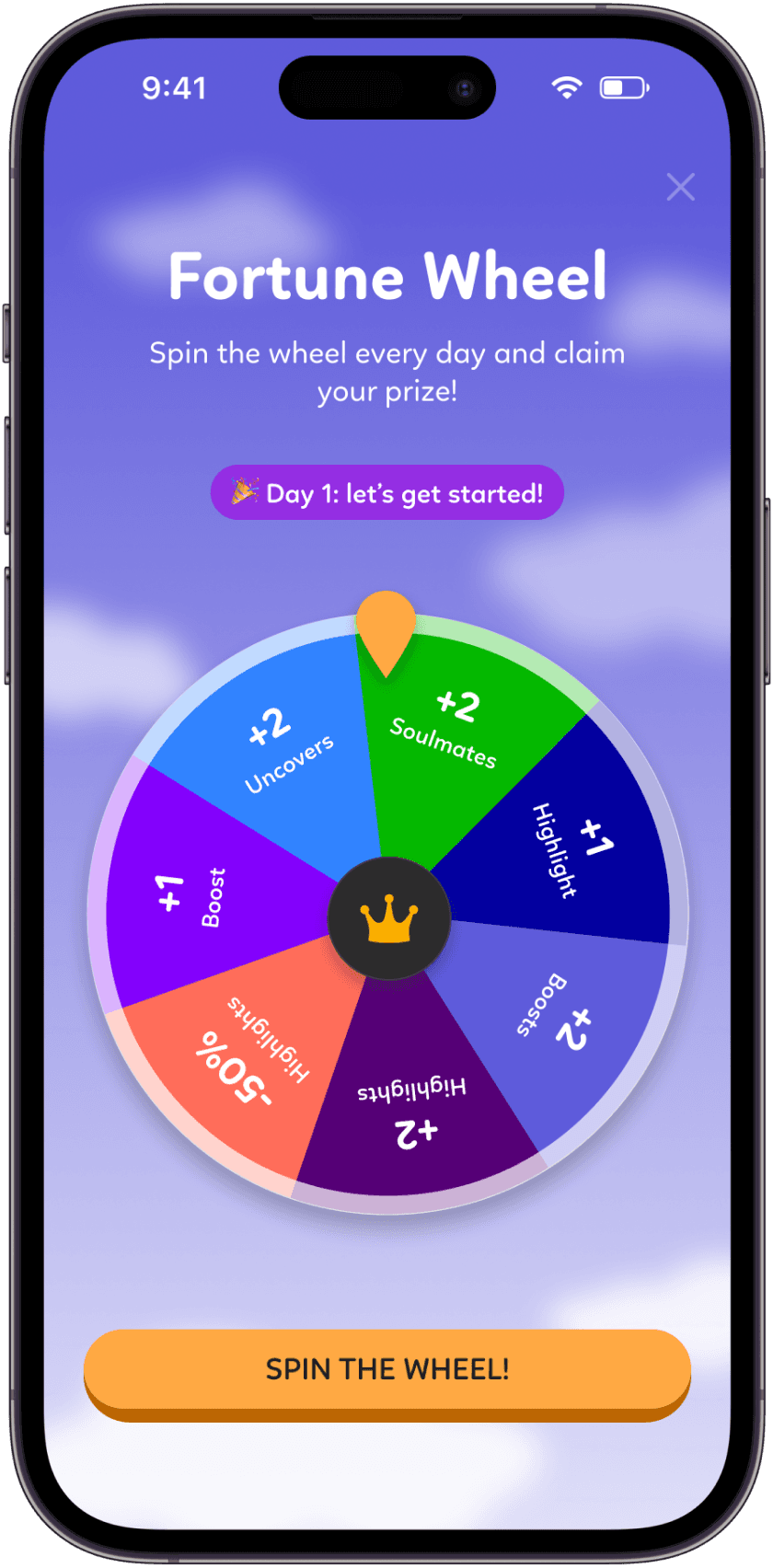
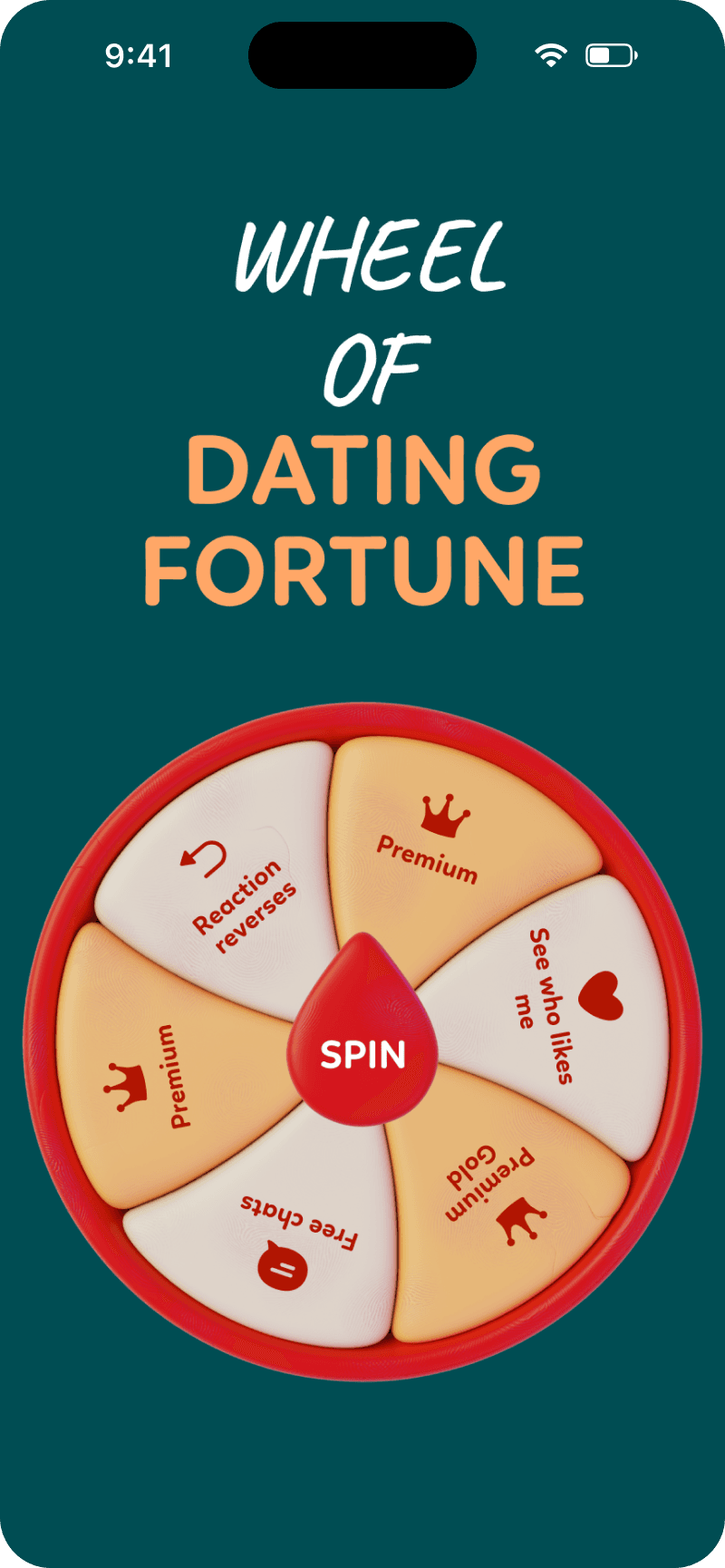
The existing wheel had several issues:
Rewards were presented as premium feature names rather than user benefits.
The experience lacked a dedicated reward state after the spin.
Users had no visibility into future rewards or progression.
The interaction felt static and provided limited feedback during key moments.
The wheel was implemented as a simple one-time interaction rather than a retention mechanic.
Despite user engagement, conversion to purchase remained low.
7.47%
CTA Click Rate
0.14%
Purchase Conversion
The existing wheel lacked feedback, progression, and reward visibility. By redesigning it as a fully animated reward experience with progressive daily rewards, we can increase engagement with the mechanic and improve purchase conversion.
What I did
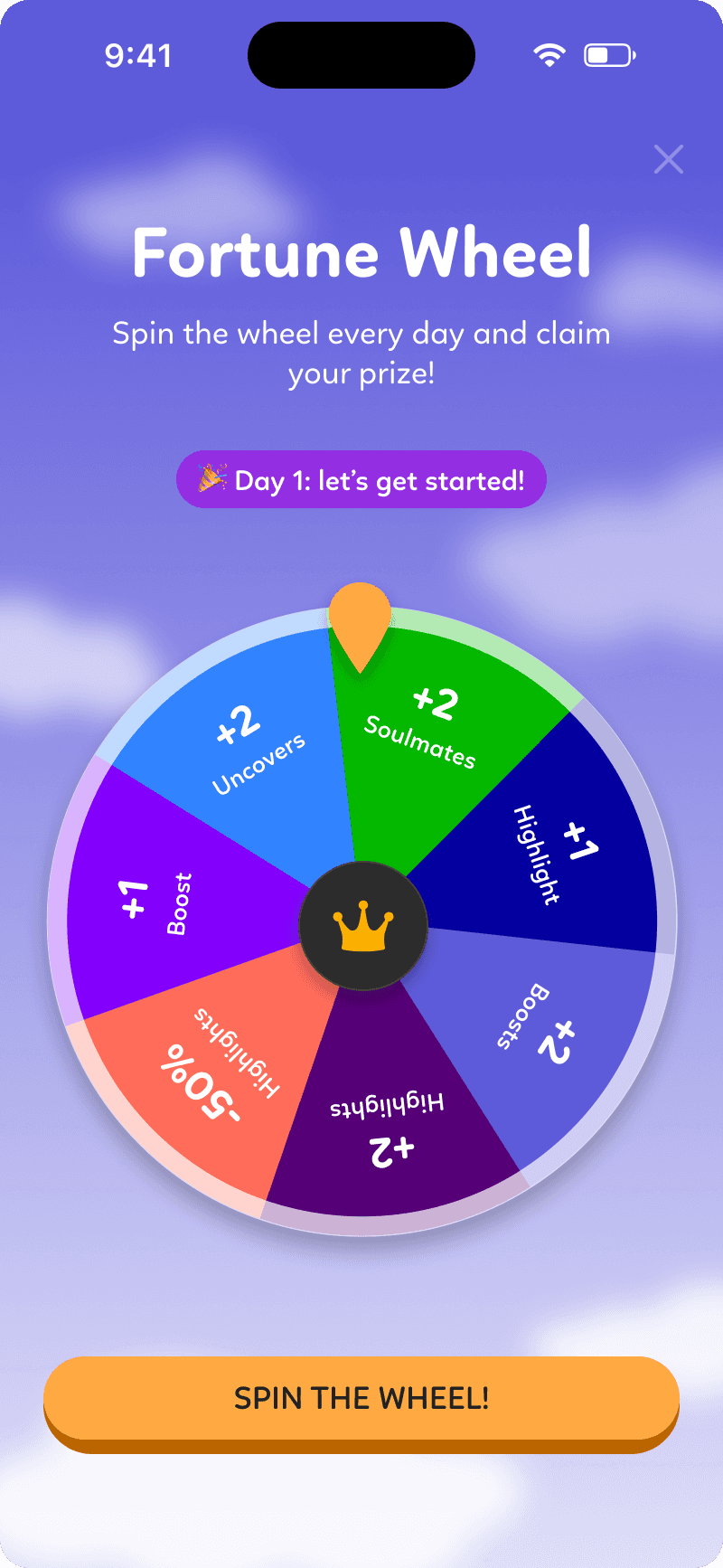
Replaced the static wheel interaction with a fully animated reward flow
Introduced a 6-day progression system with increasing rewards and a Super Prize
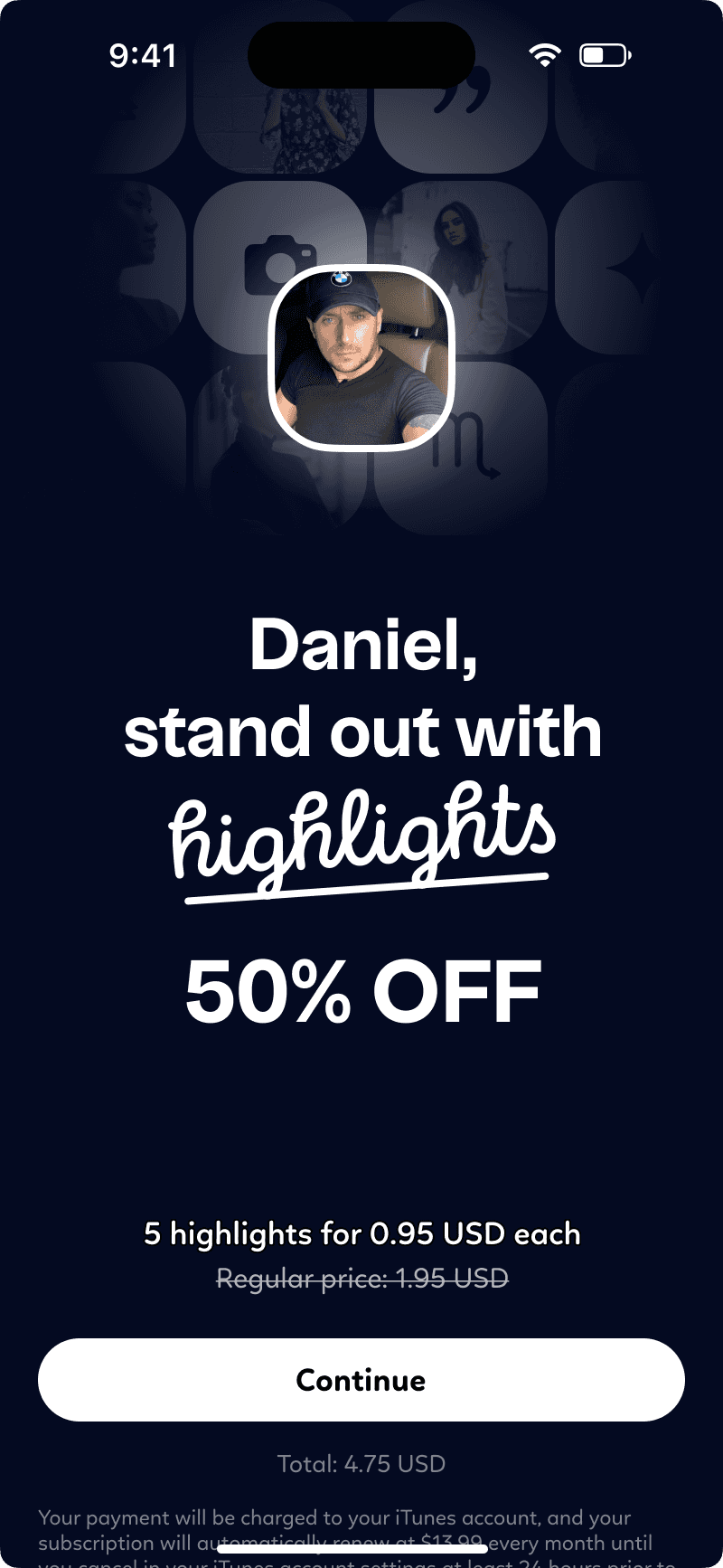
Improved reward presentation through outcome-based messaging and dedicated win states
Built the entire interaction system in Rive, creating reusable animation states and reducing implementation effort


Results
+229%
CTA Click Rate
+224%
Purchase Conversion
3x
Completed Purchases
Key Learnings
Users were not motivated by premium feature names alone. Reframing rewards around outcomes, introducing visible progression, and reinforcing the reward moment through motion and feedback created a stronger sense of achievement and anticipation, resulting in higher engagement and purchase intent.